“Happiness is like a butterfly; the more you chase it, the more it will evade you, but if you notice the other things around you, it will gently come and sit on your shoulder”–
Henry David Thoreau
For years, happiness felt like something just out of reach—a future where I had the “right” job title, financial independence, and everyone’s approval. I moved countries, left my career, became a full‑time homemaker and mother, and still carried a quiet sense of not being “enough.” Cancer shattered that illusion and forced me to slow down. In the stillness that followed, I began to notice the small, ordinary moments that had always been there: my daughter’s laughter, my sister’s late‑night calls, shared meals, a quiet cup of chai. This blog is my attempt to honor those moments and the version of me that emerged from that storm.
The belief system (Growing up, Experiences etc.)
I grew up believing there was nothing extraordinary about me—nothing special in my skills or intelligence—so I chased perfection instead: perfect mother, perfect wife, perfect life. I often wondered how other women managed to work, earn, and still keep beautiful homes, without realizing how much of that beauty was only on the surface.
My childhood itself was rich in all the right ways: loving grandparents, cousins and friends always ready to play, being called in a hundred times for evening prayers, tables, and homework, summers by the Narmada in Handia, and handmade dolls and clothes from Tempa Aatya (My favorite aunt) that no expensive toy could replace. Our parents could not give us many luxuries, but they gave us enough and, more importantly, they gave us a home full of love and gentle discipline—not once do I remember being hit; they simply talked, and when it didn’t work, they talked again.

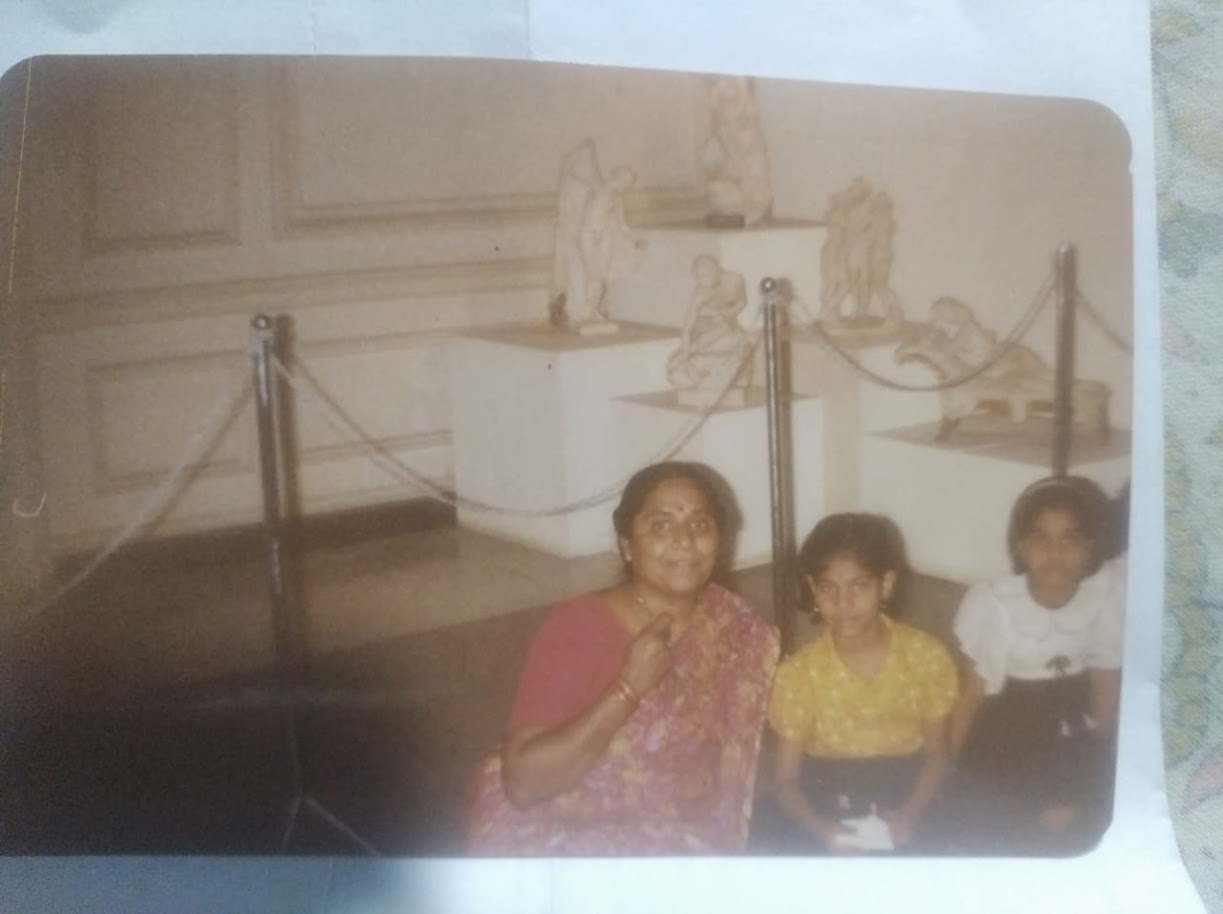
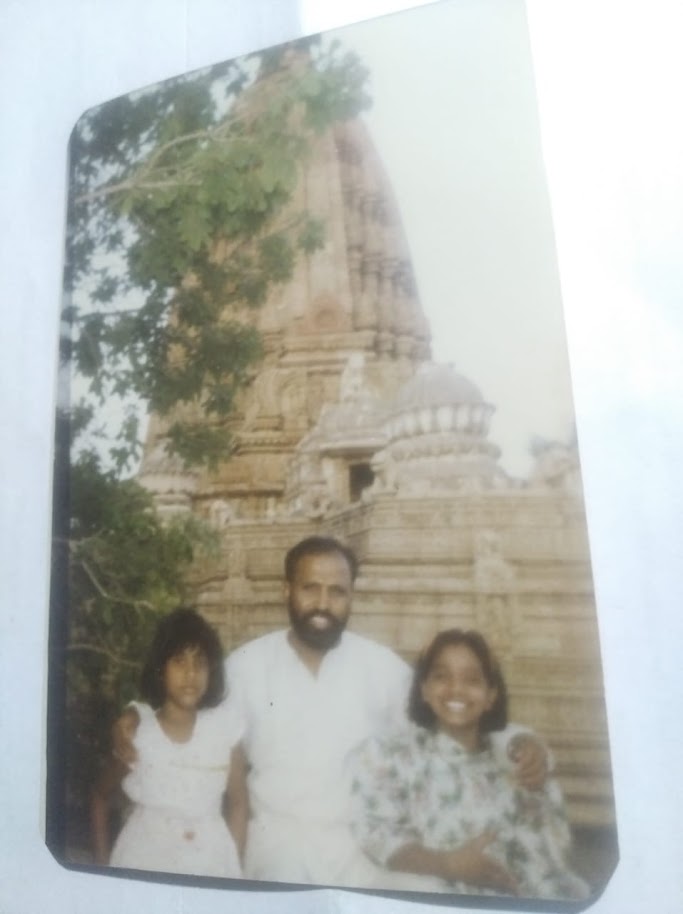
Somewhere along the way, as school and society took over, a different belief system quietly settled in. Success and happiness became tied to what you own and achieve, and “smartness” began to mean never giving in, always getting your way, even if it meant outsmarting or hurting others. I fell into that trap too, blaming my kindness and sensitivity for every time I was wronged, wishing I could be more “worldly.” I still remember a college incident where I got scolded for letting someone copy my paper while she stayed silent; I envied her as “smart” and saw myself as foolish.
For years, I tried to reshape myself. While dating Mahesh ( my now husband), I even did a two‑week experiment where I spoke and acted like a tougher, sharper version of me. On the outside, it worked; on the inside, it felt awful. I was living as someone else. Back then, I didn’t understand that flexibility and being accommodating are not weakness; they are signs that you value relationships over ego.
This confusion seeped into how I looked at my daughter too. I prayed she would not inherit my softness—that she would be smart, shrewd, and fiercely assertive. When she didn’t “hit back” on the playground, I got angry, thinking she was weak. So many of us grow up with lines like “maar kha ke ghar mat aana,” as if the one who gets hit is always the weak one, instead of seeing that the one who can’t manage their emotions and lashes out is struggling too. We mean well—we want strong, successful kids—but in the process we sometimes pull them away from their natural gentleness.
Through adulthood, I often regretted my kindness, my inability to say no, my habit of avoiding confrontation to keep the peace. I still slip, but I am learning. What matters more than teaching children to “give it back” is teaching them when to speak up and when to let go, without labeling them as naïve or “not worldly.” Living for ten years in a family that seemed emotionally tougher than me—people who could raise their voice, have difficult conversations, sleep soundly, and move on the next day—I often felt abnormal. Now, slowly, I am starting to see that being deeply affected by things is not a flaw to be fixed, but a part of who I am that simply needed better boundaries and a kinder belief system.
Continue Reading: From Glamour Boards to Ground Zero
 Beyond Limits: Finding Myself Through Cancer, H4 and Career