If you want to read more about how I compared different regimens and why I chose surgery first, TCH instead of TCHP, and tamoxifen, you can find that in ‘Cancer treatment regimens: conventional, alternative & integrative The final Regimen
I decided to face it head‑on. I read everything I could find on both conventional and alternative treatments and followed my chosen plan with full commitment. The downside was that I slipped into extremes: food became an obsession, sugar felt like poison, and even seeing my daughter eat a small candy made me anxious. Over time I realized this wasn’t sustainable. Health, I learned, is a balance of many things—food, movement, rest, sunlight, treatment, and, most importantly, inner peace. My diet hadn’t been terrible before, but my mind had rarely been at peace, and that mattered more than I had ever allowed myself to see.
Alongside all the information on nutrition, we were flooded with details about the possible side effects of every drug. Reading that one treatment could sometimes lead to another kind of cancer was overwhelming. Mahesh and I found ourselves speaking a new language—DX, BCS, TCHP, AC—our cancer vocabulary. Forums and blogs listed every possible reaction to every medicine, and more than once we wondered whether it was kinder to the body to fight aggressively or to step back.
We discussed chemo as a couple, as a family, and with other patients and survivors. None of the options felt simple. Part of me pictured my daughter remembering me as a constantly sick, bedridden mother, and I thought, “Maybe no chemo—I’d rather she remember me cooking, laughing, playing, even if that means less time.” At the same time, I heard stories of people who chose only natural treatments and did well, people who followed standard protocols and stayed in remission for years, and others who did “everything right” by any approach and still didn’t survive. There were no guarantees anywhere.
In the end, I realized I didn’t have to choose sides. If the goal was to live, why not use everything available? I chose both: conventional treatment plus all the supportive, lifestyle changes I believed in. That decision made, I prepared myself for what chemo actually meant. It wasn’t just turning up for an infusion—there were ports to be inserted for easier access to veins, extra MRI scans, PET scans to map out the disease, and long consent forms listing every possible risk.
Before Chemo: What I Had To Go Through
1. Inserting the port
Before chemo even started, I had a small device (a port) surgically placed under the skin near my chest so the team could access my veins easily for blood draws and infusions. It was one more procedure to face, but it saved me from being poked in different veins every cycle and made the whole process much more manageable.
2. Extra scans (MRI)
After surgery, there were a few more rounds of MRI to check how much disease was left and to give my doctors a clearer picture before starting systemic treatment. These scans felt repetitive, but they were part of making sure the plan ahead was as accurate as possible.
3. PET scan
I also had a PET scan to get a baseline view of where cancer cells might be hiding in the body. For the scan, I had to drink or be injected with a radioactive glucose solution so active cells would “light up” on the images, which was ironically the first time in months I’d been told to take in that much sugar.
4. Signing the waivers
Then came the paperwork. Consent forms listed every possible side effect—from hair loss and nausea to long‑term risks like nerve damage or, rarely, treatment‑related cancers. Reading all of it made me question whether these medicines were here to save me or harm me, but in the end, signing meant accepting that doing nothing carried its own risks too.
5. Shaving my head
Finally, there was my hair. No amount of research into cold caps or fasting protocols changed the basic truth: with my regimen, hair loss was almost certain. After trying to hold on for as long as I could, I chose to shave it off. Surprisingly, losing a breast felt easier than losing my hair, because hair was tied so deeply to my idea of femininity and “normal.” I remember hiding my tears from my sister, pretending to be fine while inside it felt like saying goodbye to an old version of myself.
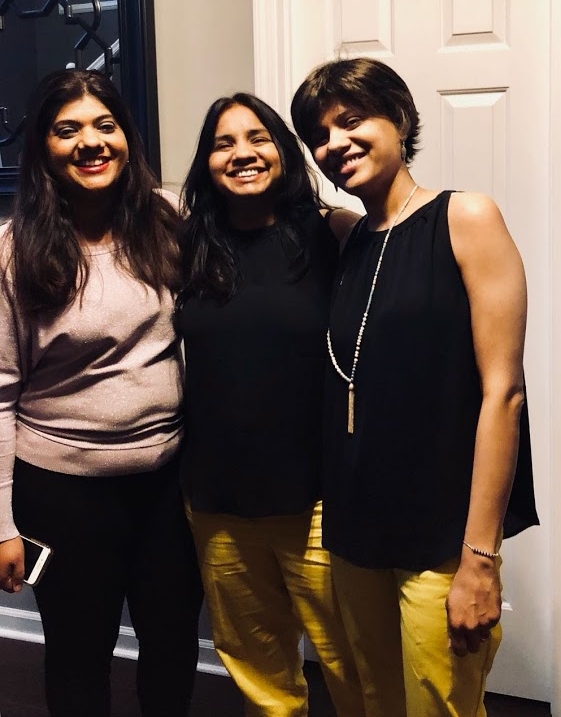
Through all of this, Nidhi was there. She sat with me at every chemo session she could, cracked jokes when the fear got too loud, and quietly took over a hundred little tasks so I could focus on getting through each cycle. Dropping her at the airport after my last chemo felt like watching a montage from a movie—every diagram she’d drawn for me in school, every bag she’d packed, every time she’d stood by me, now topped by this half‑year of unwavering presence. No matter how imperfect any of us are as siblings, that season will always feel to me like a real act of true love between sisters.
Continue Reading: The final regimen
 Beyond Limits: Finding Myself Through Cancer, H4 and Career