“You do not stay in a family because of duty. You stay in a family because there is a bond of love that you have formed” – Sadguru
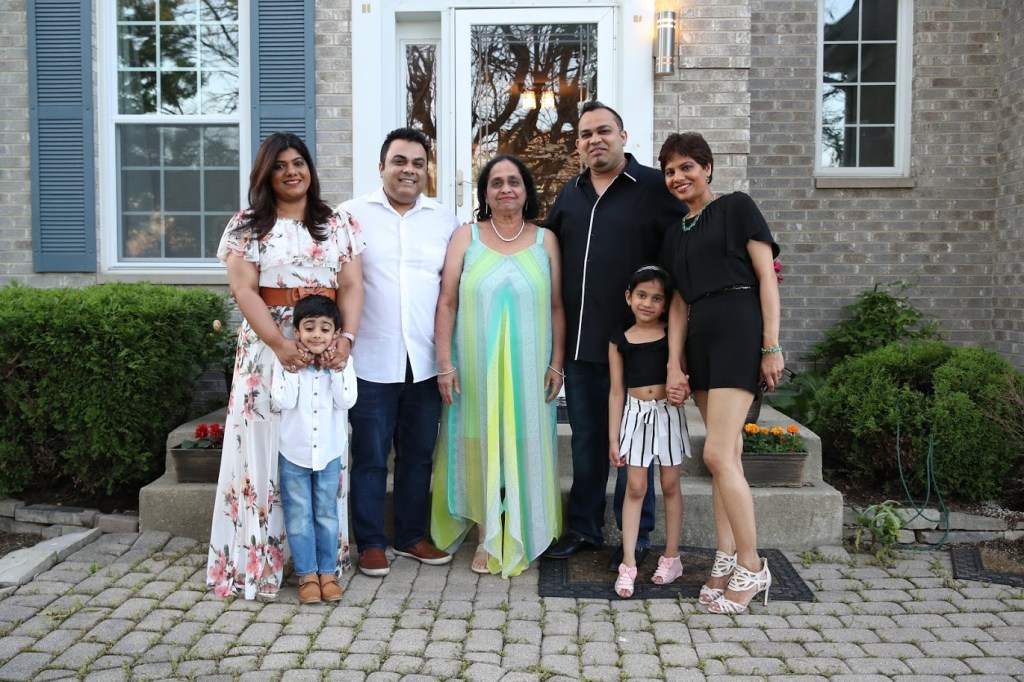

Born into a home with not one or two, but five grandparents, my parents, three siblings, cousins, a dog, and at least one guest at any given time, I grew up in a full, noisy, love‑soaked house. I was more than blessed. When I ask my mom now how she handled four kids, she laughs and says there was so much housework she never had time to run behind us—and there were so many adults around that she didn’t really have to “manage” us at all. The truth is, she carried an enormous load with very little help; even when a maid came later for a few tasks, most of the physical and emotional work still sat on her shoulders.
Some of my fondest memories are with my grandparents. I remember watching Ravan Dahan on Anna’s shoulders (my dad’s uncle, one of my closest and most beloved elders). Anna Ajoba was everyone’s favourite—ours and the neighbourhood kids’—always building things for us (he once made a whole dollhouse for Tai, my elder sister), bringing toys, clothes, and little surprises. With Kaku Aajji (my dad’s aunt, Sumati Bai Khanwalkar ), I tagged along to bhajani mandal, kirtans, and random music programs; that’s probably where my love for music and especially bhajans began, a genre not many from my generation truly connect with. She was never formally trained, yet played the harmonium like a pro—had she been born a few decades later with the freedom to pursue her passion, she would have been a star.
Then there was Vahini Aajji (my dad’s mom, Nirmala Bai Khanwalkar ), one of the most gentle, innocent souls I’ve ever known, and Maushi Aajji (Sushila Bai Khanwalkar) — strict, formidable, and the backbone of our family. She was technically my dad’s bua (his father’s sister), but after my grandfather died young, she raised him and his siblings like her own. She could be openly partial when it came to cooking favourite foods for each grandchild, but when it came to homework or discipline, there was zero favouritism: everyone had to get it right. This was the kind of big, interwoven family I knew in my early years.
As time passed, one by one, they all left. None of them had an easy death; many were bedridden, especially Kaku Aajji and Vahini Aajji. What still amazes me is how my mother cared for them—relentlessly, without drama, and far beyond what most people would do. My dad handled the finances, but she carried the physical and emotional labour, often to the point of exhaustion. Watching her made me understand what quiet, everyday courage looks like. Many people get irritated or walk away when caregiving becomes too hard or there’s no domestic help; she never did.
One of my favourite lines from a life coach Mahesh follows, Dr. Sudhir Arora, is that “there is always one domestic help behind every happy family/couple.” In our case, my mom was that “help,” without complaining and without the cushion of constant staff. She was brave, tough, and incredibly kind. For a long time, I resented the parts of myself that resembled her—struggling to say no, avoiding confrontation, taking on more than I could handle just to keep everyone happy. Now, looking back at the support I received in my darkest health days, I also see the law of the universe at work: you do get back what you send out. That level of care doesn’t arrive by accident.
I think of Chandrika Aunty, our house help, with whom I always worked side by side in the kitchen rather than ever “ordering” her to do things. She was the last person in the house I would give instructions to, yet she quietly came over to massage my feet when I had terrible bone pain from Neulasta injections. I felt embarrassed that a 60‑year‑old was pressing my legs, but in that moment I finally understood the power of small kindnesses—and stopped bashing myself so much for being “too soft.” I had grown up believing that successful people are loud, aggressive, and always getting their way. Maybe that works in some spaces, but there are some things you can only earn through gentleness. When people show up for you not because of your status or money, but because they genuinely care, that is real success. Those are real blessings.
Family, of course, is complicated. You want them, you love them, and at times you can’t stand them—all at once. Having grown up with 10 people under one roof, living in a joint family in Chicago never felt strange. That doesn’t mean it was easy. It takes effort to put your ego aside, to do things you don’t fully agree with, and to keep choosing the relationship over the need to be “right.” But living with many different personalities—including your own—teaches you a powerful skill: appreciating the similarities and respecting the differences.
There is a quiet strength in learning to bend. If you never bend, you stay stiff, and one day, when life finally demands flexibility, you risk breaking instead. Joint family life, with all its chaos, noise, love, and friction, has been one of my greatest teachers in how to bend without losing myself.
“BLESSED ARE THE hearts, THAT CAN bend; THEY SHALL NEVER BE BROKEN”
Albert Camus
Its like one day you start happily doing things that you never thought you would and that is what it means to be a family I guess !
Sure I am grateful, sure I was blessed with so much support but let me tell you that support doesn’t show up in a day, every single person makes some adjustments and learn to be inclusive over the years to create that support.
And when you are always at home, it takes double the energy and courage 🙂
Like Mahesh always tells me “To come together is easy, to leave and get in to different directions is super easy but being there and living it up with all your differences is what takes courage”.
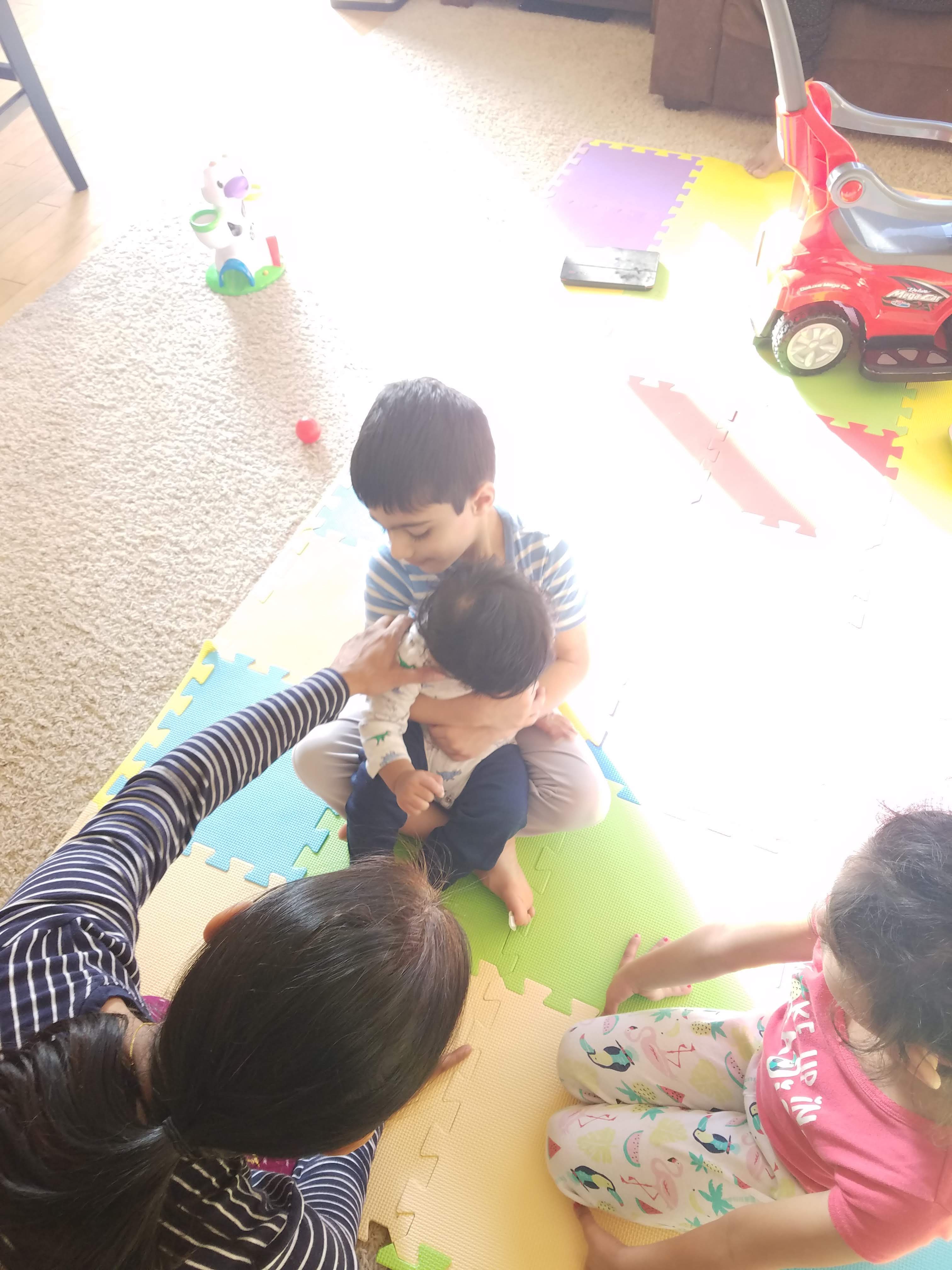



I take genuine pride in the fact that our family and extended family chose to live together for seven years in a country that is deeply individualistic and obsessed with personal space and independence. I am especially grateful to my brother‑in‑law, Neil Khot, for planting that idea in the first place—and now watching him take that same spirit of community and responsibility into public service, running for Congress from Illinois’ 8th District, makes it feel even more meaningful (you can read more about his journey https://neilforcongress.com/
I’m proud of the moments we created in that shared home—festivals, parties, random outings, kids running around, and of course food, which somehow became our way of marking everything: good news, bad news, wellness, illness, all of it found its way back to the dining table.
I will always be thankful for the experience of living with so many people, from childhood and then again later in life, especially in a time when many of us struggle to get along even with the person in the next room. We say goodbye to one relationship, then the next, and the next, because “this one also isn’t good for us,” and eventually we land on social media looking for connection that feels perfect—because it demands no adjustment, no accommodation, no real effort—while giving us the illusion of thousands of people who seem to be “just like us.”

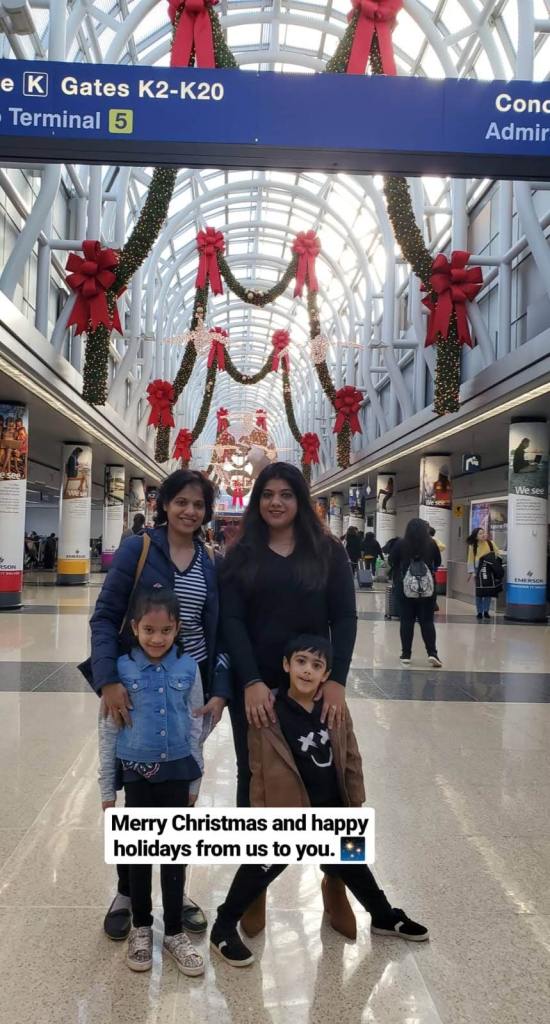
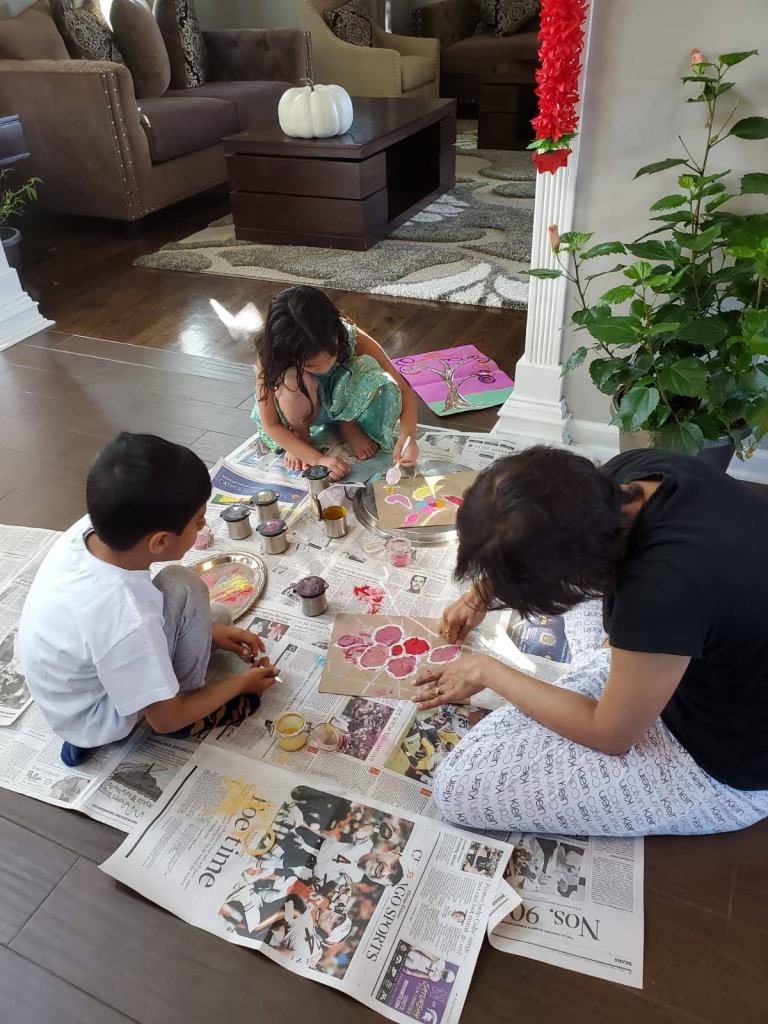
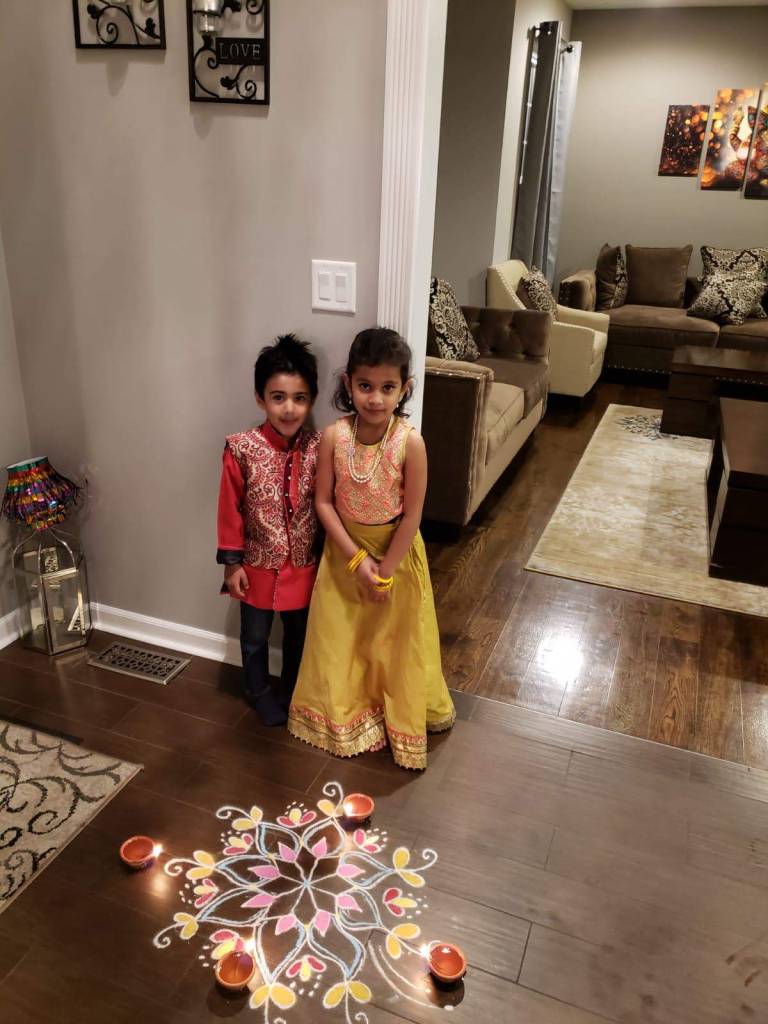

On a lighter note, we Khot(s) were like a real‑life episode of Dekh Bhai Dekh (that 90s DD National sitcom)—every character with a different nature, a different flavour, kids included, and someone or the other always in action.
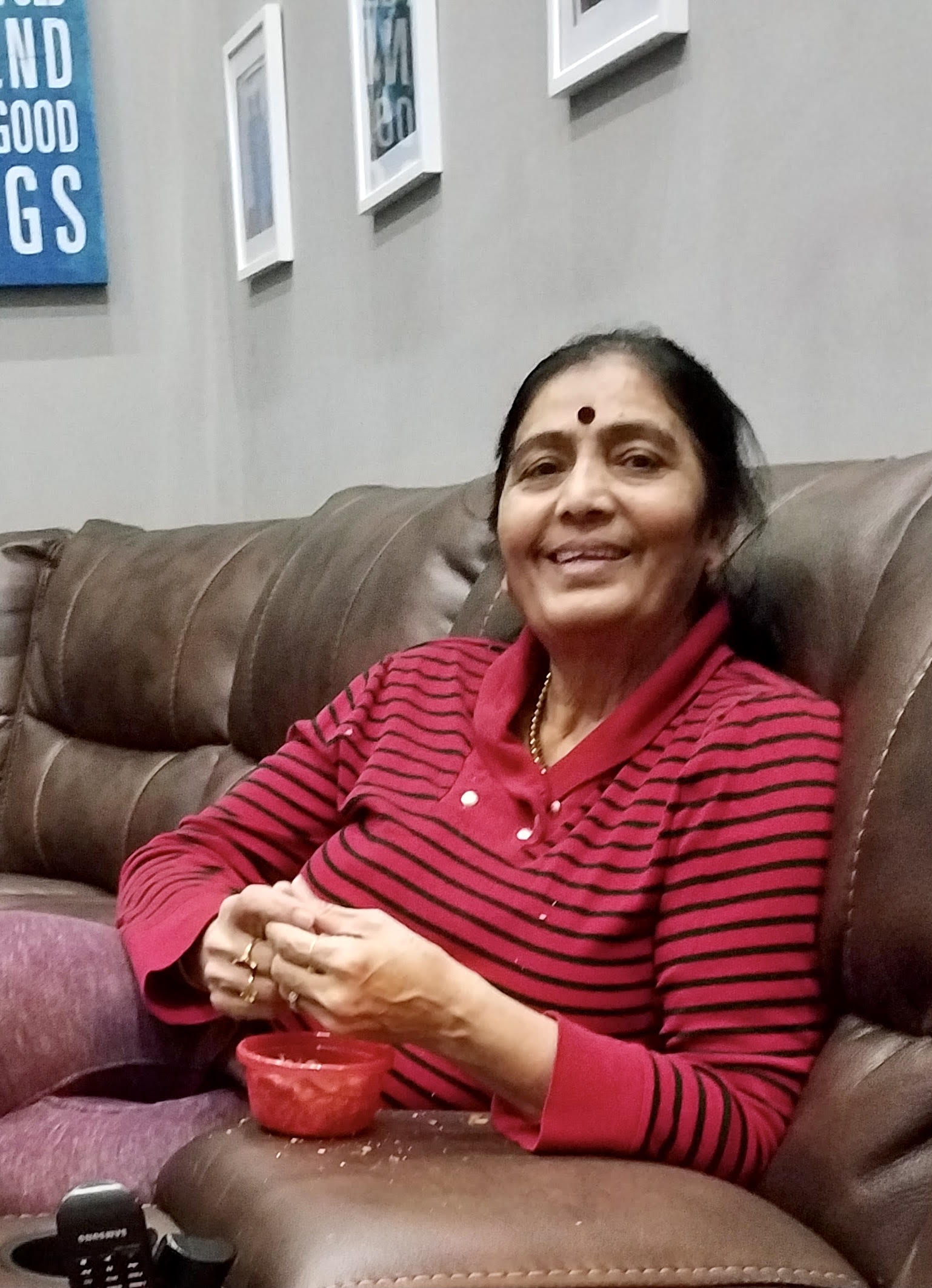
When I talk about family and support, I cannot not talk about this one woman I’ll always be grateful for. Mahesh lovingly calls her “Dolby” (as loud as a Dolby sound system), and even in her late sixties she has the energy to outwalk most twenty‑year‑olds and the sharpness to give any corporate woman a run for her money.
I loved sharing a kitchen with her, sewing with her, taking the kids to libraries and play areas with her, even jointly arguing with other moms who sometimes ganged up on us thanks to my super‑sweet yet naughty nephew. We’d chat with random people in the park and laugh over the silliest things. Thank you, Aunty, for being such a vibrant part of my life and for holding me up at a time when I honestly felt like my life was over.
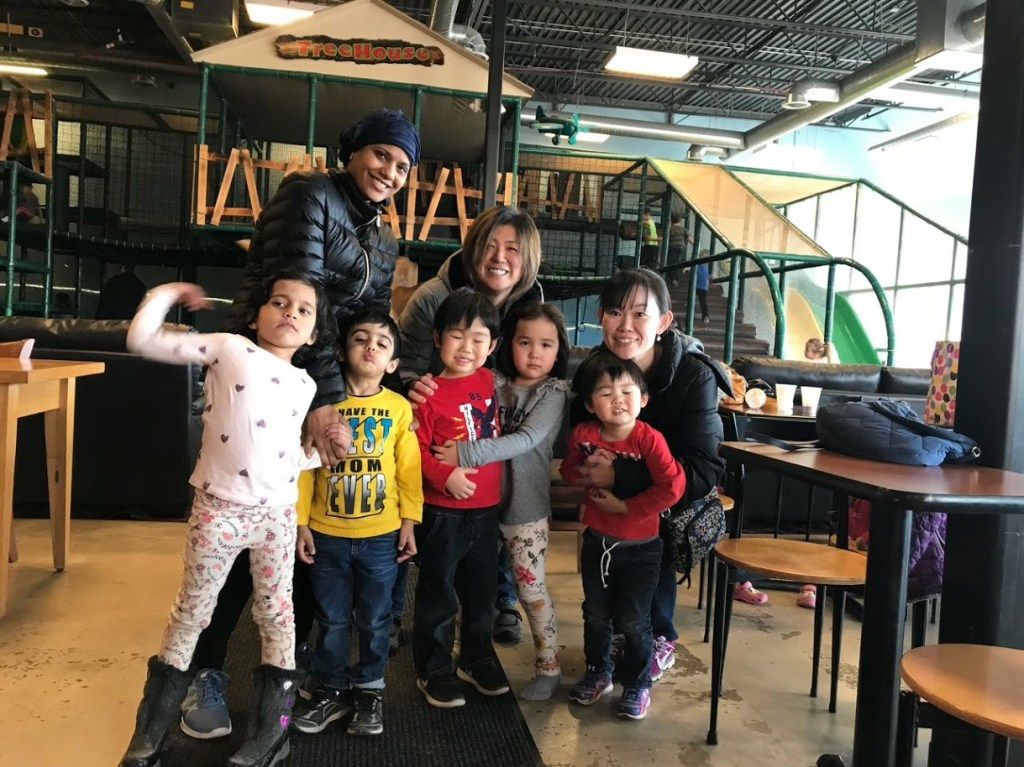
With Mitsu, his lit brother and sis and Savaan from creative Montessori 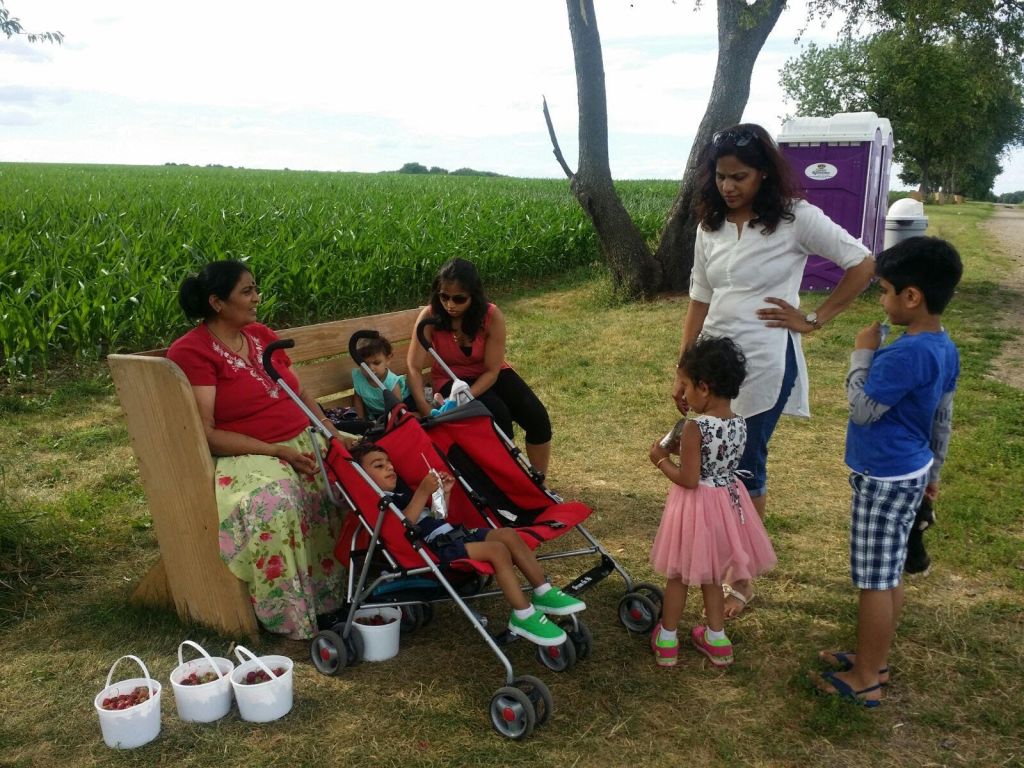
The first time strawberry picking 
At Gail Borden, which still remains my favorite library of all 
Thanks to Mahesh’s obsession of crazy rides
Continue Reading: Tamoxifen Management
 Beyond Limits: Finding Myself Through Cancer, H4 and Career