After my last chemo, the nausea lingered for almost a month, but what kept me going was the thought of an upcoming trip to California—the first time I would step out properly after half a year of living between hospital and home. That entire year of managing my appearance with wigs, beanies, and headscarves was emotionally exhausting, yet my daughter handled it with a quiet grace that surprised me, especially for a child who usually has a question about everything. The only thing she insisted on was that I wear the long‑haired wig and, when I finally asked her why, she said, “You look like mummy then,” a simple sentence that brought me to tears.
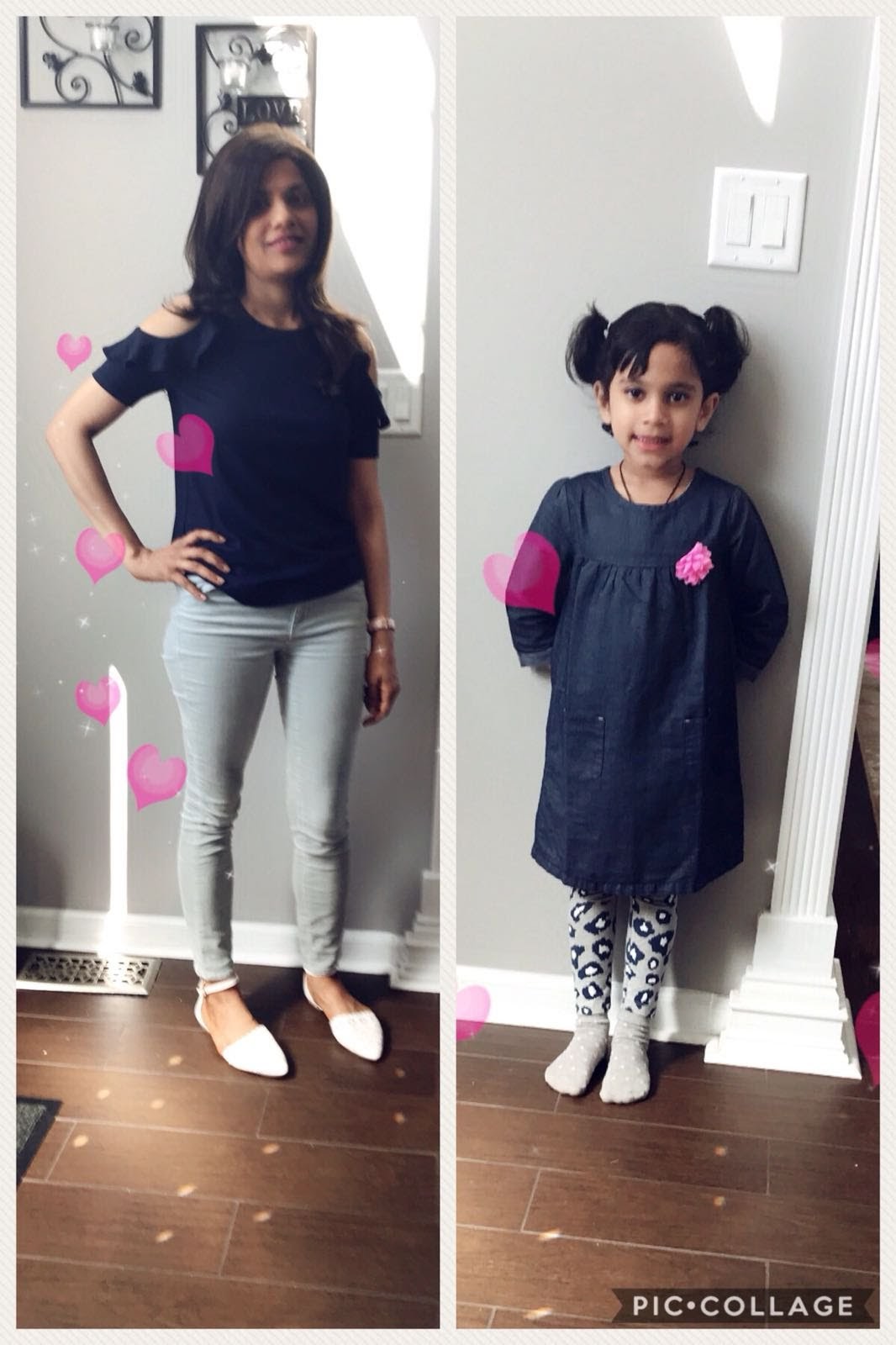
Children have their own honest way of meeting big things, and my daughter was my quiet mirror through all of it. Her questions sometimes startled me and made me rethink all the neat, happily‑ever‑after bedtime stories I had fed her for years. When she asked, “So mummy, am I gonna get a step mom when you die?”, I found myself half laughing, half crying, telling her, “I’m very much alive, and you’re not getting a stepmom any time soon.
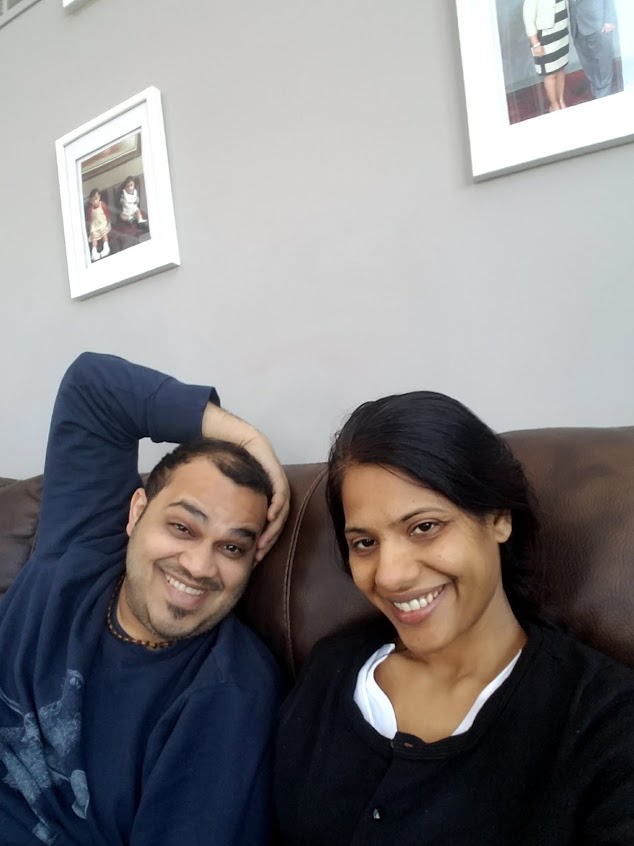
After 18 rounds of Herceptin, my active treatment ended in February 2019, except for a “small” hormone‑suppressing tablet that turned out to have a big impact on my mind. The physical side effects were manageable, but emotionally I felt more fragile and irritable, just as my oncologist had warned—many people feel more lost once the hospital visits slow down and it seems like “nothing is happening.” I expected to feel endlessly grateful in remission; instead, I snapped easily, often at Mahesh, and then hid behind the word “tamoxifen” to excuse things I deeply regretted.

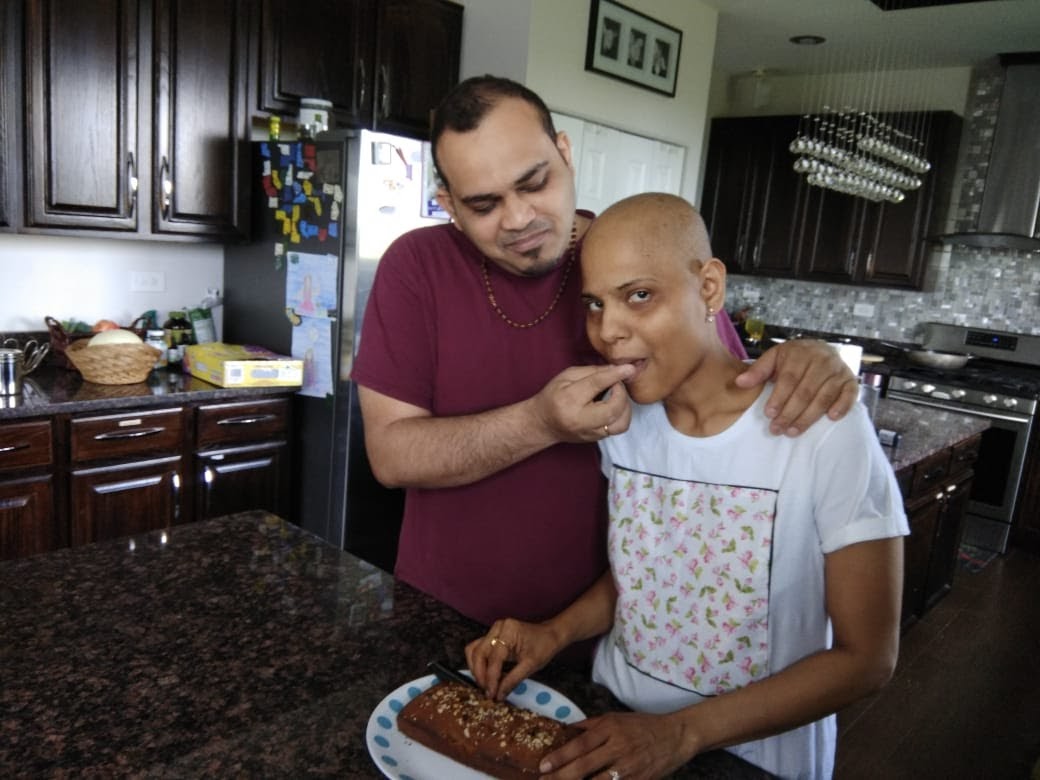

The anxiety I had pushed down earlier began to show up in my body: a racing heart, breathlessness, a constant sense that something was wrong. People asked if I was “cured,” as if there were a simple line between sick and healthy. In medical terms there was NED—no evidence of disease—but in real life there is no guarantee for anyone, cancer or not. Over time, I began to see illness differently. Cancer was not just a random bolt from the blue; for many of us it grows out of years of chronic stress—emotional, mental, environmental—that we ignore until the body has no choice but to speak loudly.
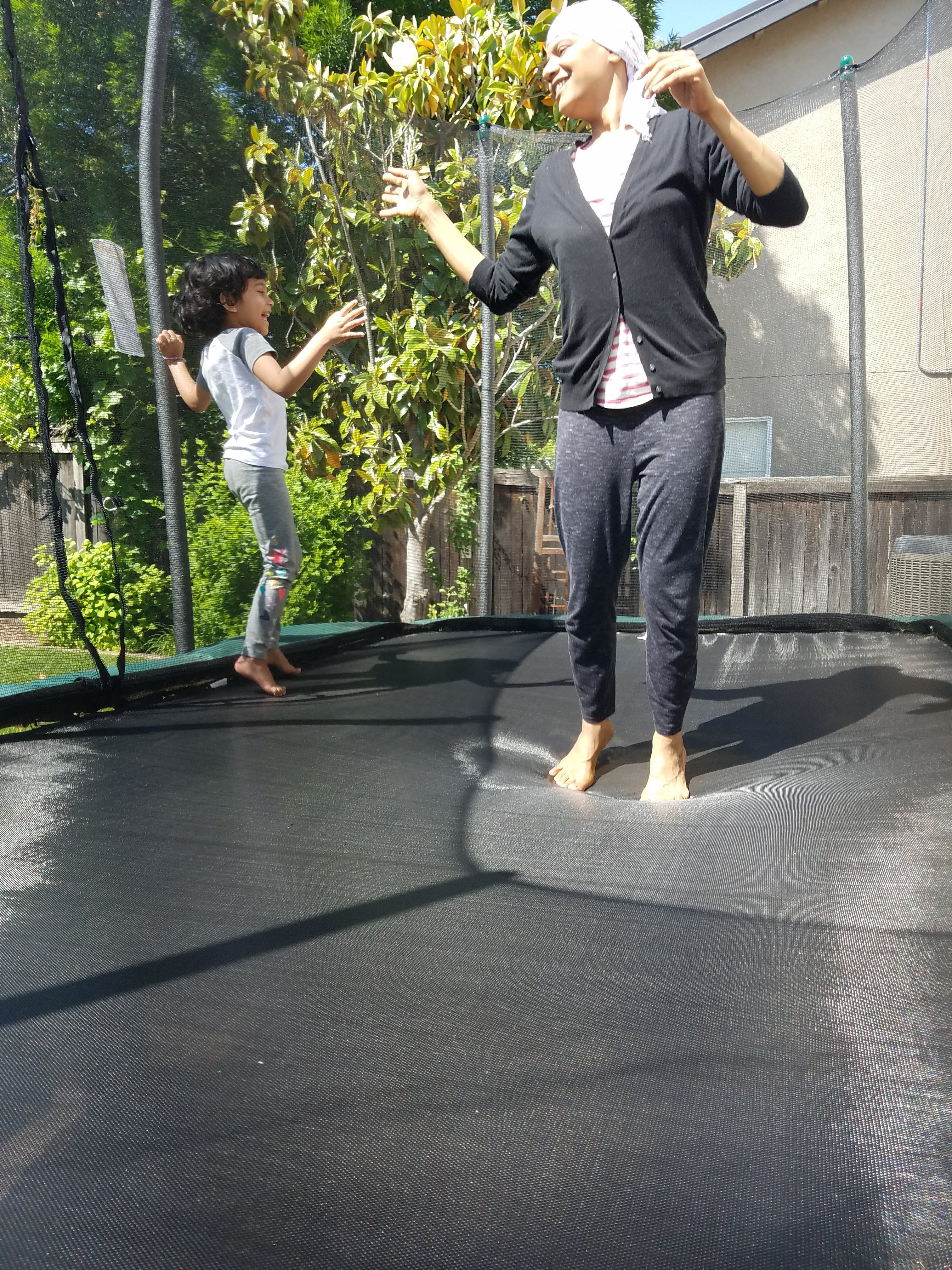
Looking back, I see that during treatment I was more active than I gave myself credit for—still cooking when I could, doing groceries, showing up at the gym even for ten minutes, taking kids out, doing laundry. The “dependence” I dreaded existed mostly in my head. No label—cured, remission, NED—can fully define how it feels inside, but I know now that I faced it once and, if life ever demands it, I will face hard things again. It took therapy, coaching, countless talks, and a lot of practice with meditation and awareness tools to slowly quiet the “what ifs” and learn to live in the present. Through it all, Mahesh was my constant emotional anchor, holding space for my anger, fear, and confusion even when it spilled onto him.
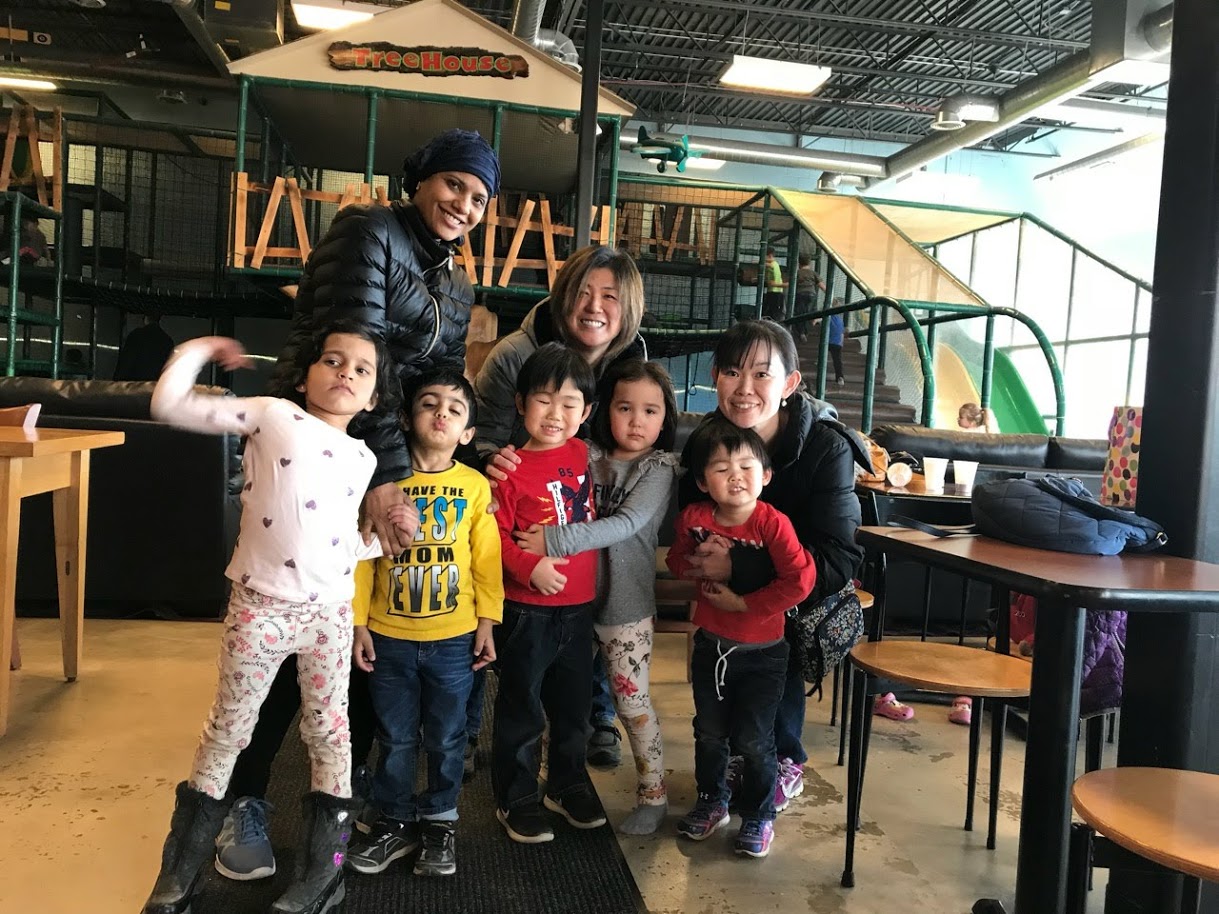


My Emotional Armors-
Here are few things I do every day which keeps me up and straight, and of course I have my bad days but they don’t last long –
Took charge of my emotional remote control –
I began taking responsibility for the part I played in my own hurt. People said and did what felt right to them in that moment—shaped by their conditioning, habits, moods, and circumstances—and in many ways, it was more about them than about me. It wasn’t just their words; it was the story I kept repeating to myself afterwards that caused the real pain. Slowly, I realized how much power I gave away every time I allowed someone else’s actions to decide how I felt.
Life will not always be fair. I cannot control what others think or say, but I can work on what I tell myself—and with practice, that changes everything. It is deeply comforting to know that I have a choice: I don’t have to hand my emotional remote to anyone else, and I can choose not to carry every bit of criticism and negativity that comes my way. People may cheat, hurt, or manipulate us, but there is still an inner space that belongs only to us, and guarding that space takes real spiritual strength.
One of Kabir’s dohas captures this so simply and beautifully:
बुरा जो देखन मैं चला, बुरा न मिलिया कोई
Sant Kabir
जो मन खोजा अपना, तो मुझसे बुरा न कोई।।
We often go through life finding faults and blaming others, but the moment we honestly look within and have a real conversation with ourselves, we realise just how much there is to change inside us.
Made an agreement with myself to talk to people (of course without expecting their agreement) rather than talking about them to others or stop talking to them all together or unless they shut me out
That’s what most of us do when we are uncomfortable with others sometimes even the people closest to us, we talk about them, their faults, their actions but we don’t talk to them, we pretend everything is good, and we have become so good at it, keeping a perfect picture outside, I mean honestly we do so much more these days than any of our earlier generations did before, elaborate dinners, parties, gifts and what not, but we don’t pause and check the quality of thoughts running inside our head for the same people , the very energy that actually build relations, that reaches much before our words and actions outside.
Confrontations and more than that, those true conversations are necessary, and by doing them more often you also make sure they are done more respectfully and without hurting people.
Set Boundaries–
“Daring to set boundaries is about having the courage to love ourselves, even when we risk disappointing others”
Brene Brown
In my innate desire for everyone to get along, I have always found myself eagerly trying to find peace with everyone. If they would give an inch of acceptable behavior, I would want to take a mile, believing a healthy relationship could be formed.
Most times the unacceptable behavior would reemerge, ripping open a fresh wound and leaving me feeling angry, hurt or annoyed. I learned setting boundaries with everyone was an antidote to discontentment and unfortunately I really really learnt it hard way !
I mean I was at the height of insanity, where its not enough that people think good about me or get along with me, they should also think good about whom I think good about or get along with them, like how the hell in the world is that possible !
The fact is you cannot please everyone, and it is OK and absolutely ok if some people don’t like you, because if everyone likes you then you have a serious problem of not loving yourself enough!
Besides for every person there are few who would admire that person, love him/her and then there will be few who won’t, but the fact is the person is same!
People will see what they are inside, what they feel inside, it truly is not about you but other people.
Simplified Awareness, Centering, Meditation in a way that worked for me –
“The goal of meditation is not to control your
Anonymous
THOUGHTS
It’s to stop letting them control you”
Meditation confused me at first. How do you “avoid” thoughts or take deep breaths without thinking anything at all? Trying to be stress‑free actually became another source of stress. I could run for hours and do intense workouts, but sitting quietly with my own mind felt impossible.
Eventually I realised my expectations were the problem. Meditation is not about getting rid of thoughts and emotions, but about seeing them clearly—without judgement—and letting them pass through without letting them control you. When we sit expecting a trance or a completely empty mind, it almost always feels like failure, and we end up reaching for distractions again: binge‑watching, scrolling, shopping, social media, food, alcohol—whatever numbs the discomfort for a while.
The truth is, anything you want to heal has to be faced. Those annoying thoughts that pop up mid‑meditation—the email you haven’t answered, a hurtful comment from years ago—are not intrusions, they are the very material you are meant to work with. At some point it clicked for me that obstacles, painful memories, and ugly feelings are like compost: made from things we’d rather throw away, but, when processed, they actually help new things grow.
Meditation, then, became a practice of letting thoughts come and go without attacking them or clinging to them. If my mind wandered, instead of scolding myself, I treated that moment of noticing as success—a small flash of awareness—and gently brought my attention back to the breath, a sound, or whatever anchor I was using. Over time, this softened my relationship with both “good” and “bad” thoughts; I was no longer trying to chase the pleasant ones or crush the unpleasant ones.
It is still a work in progress, but this way of practicing has slowly helped me become more grateful, more compassionate, and a little kinder to myself. Today, I’ve reached a point where I can occasionally skip a shower, but I don’t like to skip my meditation—it has become as essential to me as any daily routine.
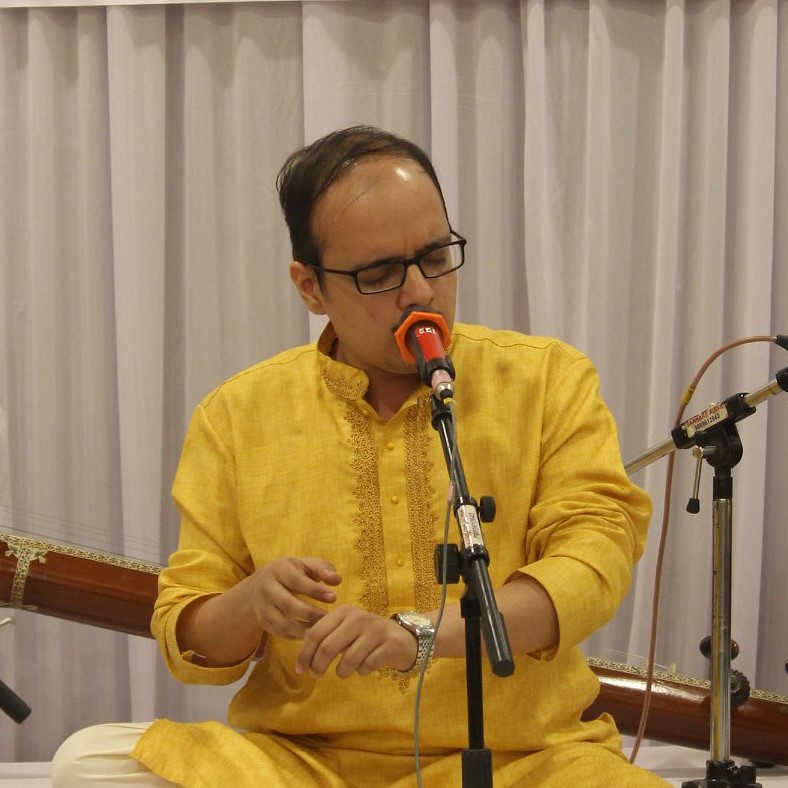
After coming to Chicago, I tried returning to music many times, but it was always in bits and pieces—sometimes the distance got in the way, sometimes life did. Once I truly committed to it again, it became a powerful centering force for me. Finding a sincere teacher with a disciplined approach made the experience deeply gratifying, even though we had never met before and I had only discovered them through online lessons.
Gratitude
Gratitude, I’ve realised, rarely comes naturally. Our minds are wired to notice what’s missing, not what’s already here, and most of us are experts at spotting lack. To feel genuinely thankful, we have to practice it—yes, even in clichéd ways like keeping a gratitude journal—because happiness simply doesn’t exist without some form of thankfulness.
During treatment, things were undeniably hard, but there was still so much I could be grateful for: a supportive family, access to good doctors, and the privilege of receiving chemo in an air‑conditioned room when so many in my home country sit in crowded corridors or have to fight even for a bed. I often thought of people navigating cancer and other serious illnesses without basic comfort, or of the families who lost loved ones suddenly during the pandemic with no time to prepare or say goodbye.
I lost my hair and eyebrows, and while that felt huge at first, I couldn’t ignore the fact that others lose limbs, mobility, or senses, and live with far greater physical limitations. I was embarrassed the first day I walked my daughter to the bus stop with a bare head, but underneath that shame was a quieter truth: I was there, alive, watching a milestone in her life, with the hope of seeing many more.
Our problems are real, but they are often small compared to what many people endure, and yet we behave as if we are entitled to a perfectly happy life without doing the inner work to create it. For me, the more I leaned into gratitude—deliberately, clumsily, repeatedly—the more I understood that happiness and gratitude are not separate things. One cannot truly exist without the other.
Self Discipline
“Self-discipline is the ability to make yourself do what you should do, when you should do it, whether you feel like it or not.”
Elbert Hubbard
There really aren’t any shortcuts. You have to consistently work on the things you want, and even then there are no guarantees—but without self‑discipline, the chances shrink to almost nothing. For me, it started with very simple habits like waking up around the same time, eating on a rhythm, and respecting my body’s clock; the irony is that the simplest things are often the hardest to stick to.
Most of us already know what to do—what to eat, how to move, why sleep matters—and we’re surrounded by trainers, books, apps, and advice. The real challenge is turning that knowledge into daily action, and that is where discipline comes in. I still have ups and downs and ongoing medical issues from cancer and its treatment, but two things help me most now: learning to let go and practicing acceptance—of situations, of other people, and, most importantly, of myself, which is what true self‑compassion looks like.
In hindsight, cancer was a brutal but powerful wake‑up call. It pushed me from being the shy “handle with care” person, scared of hurting or being hurt, into someone more willing to take charge, set boundaries, and show up as her full self. Each time life has taken me to what felt like rock bottom—whether in health, relationships, or work—I’ve discovered later that it was only a new foundation for the next version of me. There were challenges harder than cancer that came afterward, and I met them as the changed person that cancer helped shape.
Now, when I look at struggle, I see it as a seed of growth. Every difficult phase is an invitation to shed what no longer fits—old patterns, roles, or beliefs—and replace them with wisdom, strength, resilience, clarity, and confidence. You don’t throw yourself away; you carry forward the parts of you that you love and that make you you, while slowly releasing the old story, the pain, and the self‑doubt. That is how an evolved self begins to emerge.
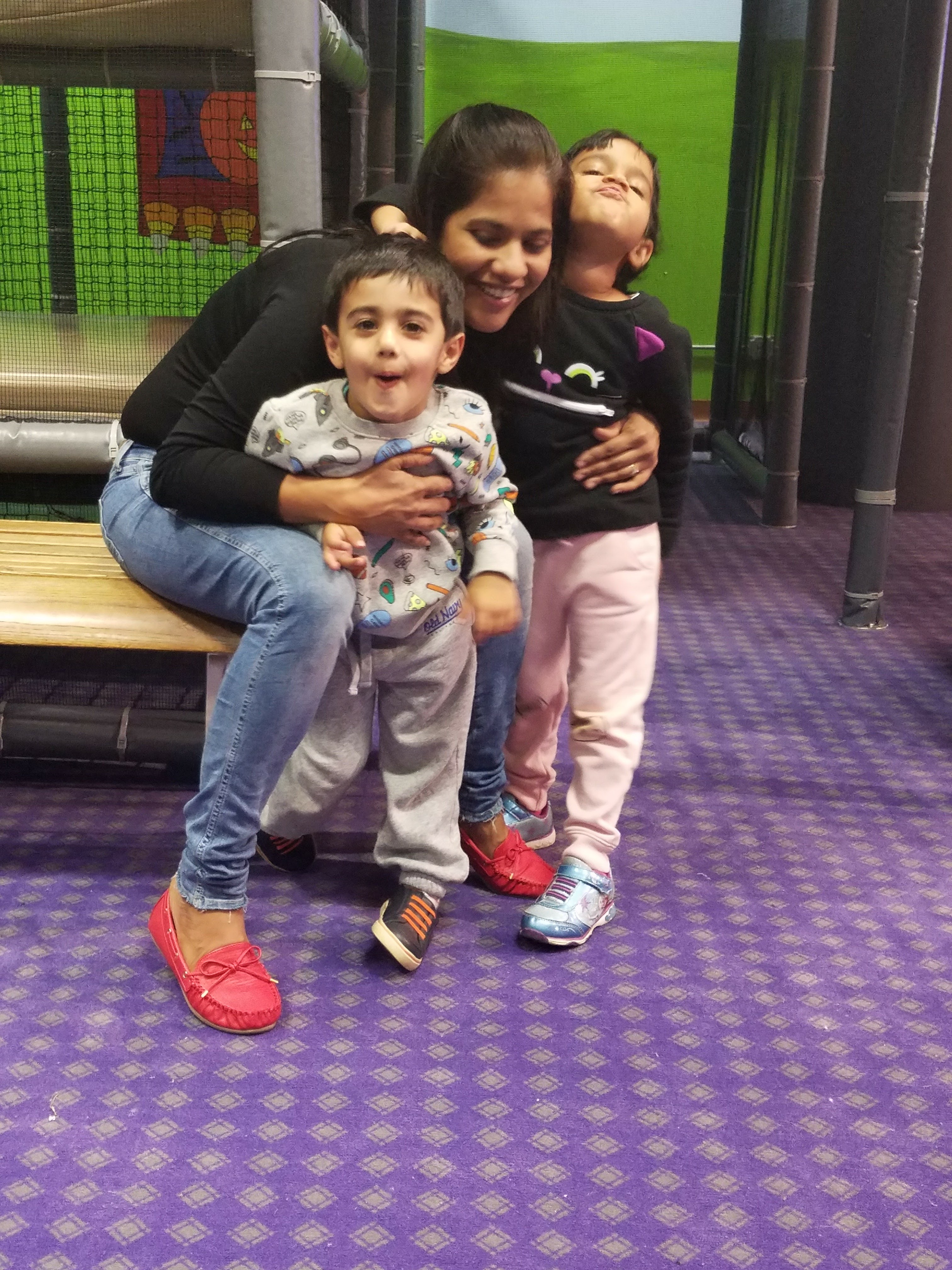
And of course these two –

Continue Reading: What truly matters
 Beyond Limits: Finding Myself Through Cancer, H4 and Career