Let your food be your medicine
Hippocrates
and your medicine be your food
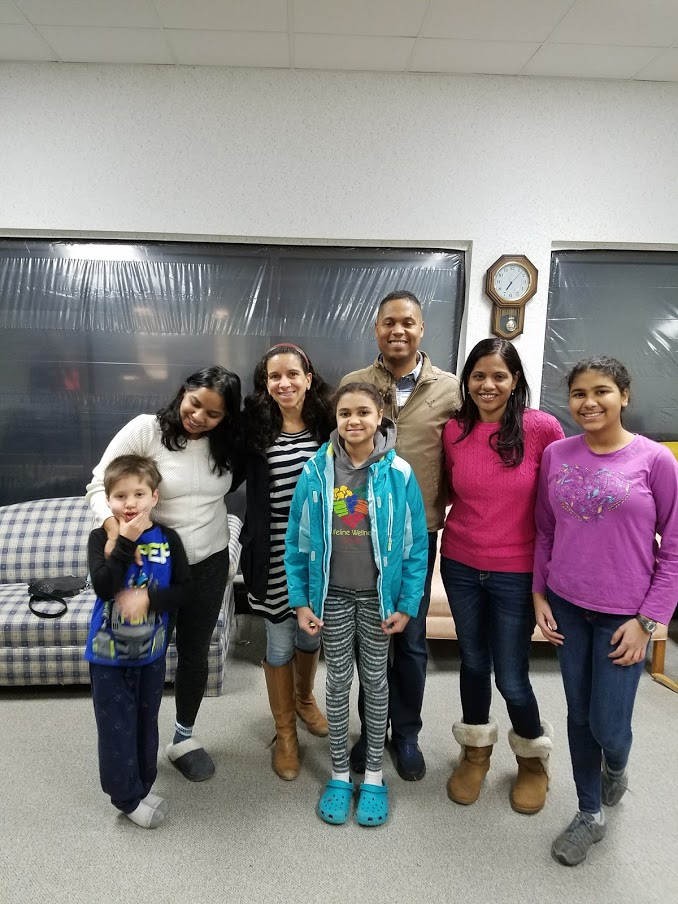
A big thanks to my brother‑in‑law, Nilesh Bhaiya, through whom I met Peter, Ramon, and their families at Life Wellness Center in Knoxville, IL. They were deeply passionate about natural healing and alternative treatments, and genuinely focused on serving people at a time when many centres seemed to be capitalizing on patients’ fear with expensive “packages” that only those with unlimited money and time could afford. Being around them reminded me how much we underestimate ourselves and what we are capable of.
One of the biggest examples for me was fasting. I never imagined I could go a whole week on just water, but I did. I still remember that last hearty meal at Mantra with Mahesh, Nilesh Bhaiya, and my sister Mayura, knowing it would have to last me in my memory for a while. We met Peter just a week after my diagnosis, and it turned out to be a life‑changing encounter.
He suggested a 14‑day lemon fast—only water or water with lemon, and that too only until 6 p.m., then nothing until the next morning—along with other protocols, some at home and some at their centre. Given where I was and how much I wanted to live, I decided to start the very next day. Honestly, when I began, I didn’t believe I would make it past two or three days. But I did, and that small victory quietly shifted what I believed was possible for me.
Week 1
Day 1
I began the strict naturopathy protocol with a simple promise to myself: I want to live, I want to see my daughter grow up. So I did everything Peter suggested—fasting, yoga, exercise, breathwork—the full routine, not just parts of it.
Day 2
The second day, I repeated the same mantra: I can do this, I want to live, I want to see my daughter. My energy was still surprisingly good, and I moved through the day with determination and even a bit of excitement.
Day 3
By day three, my mind started playing tricks on me. Between doctor visits with my husband and brother‑in‑law, just seeing a Starbucks cup in their hands made me think, “Just give up, you only live once.” Then another voice inside would answer, “Exactly—you only have one life, and once you’re gone, you’ll never see your daughter again.”
That was also the first time I spoke to my mom after the diagnosis. She had known for two weeks, but neither of us had found the courage to talk. I tried to sound strong, but we both broke down. She wasn’t only scared of the cancer; she was also terrified that I was “starving myself” on top of it.
Day 4
Physically, I was still surprisingly fine—no real weakness, just normal activity—but the inner battle got louder. A part of me kept questioning: How can not eating possibly help when cancer cells are multiplying inside? How can breathing and yoga fight something I can’t even see? We had spoken to more than 50 people worldwide who tried alternate routes; for some it worked even imperfectly, for others it didn’t, even when they followed everything perfectly. There were no guarantees anywhere.
Still, the chemo side‑effects I had read about were so frightening that, in that moment, hunger felt like the lesser fear. I even remember thinking that if I were to die, at least my daughter would remember me as active and smiling, not as a permanently sick, bedridden version of me. By the end of the day, after a full internal boxing match between the fearful me and the hopeful me, the hopeful side somehow won.
Day 5
By now I could joke that at least I didn’t need to worry about going to the bathroom—there was nothing left in my gut. I had lost about five pounds and felt oddly proud of my discipline. I was just two days away from my initial goal of seven days, even though Peter had suggested fourteen.
This was also the day my husband did what felt almost criminal at the time. On the way back from visiting a colleague whose wife had breast cancer, he took me to Hyderabad House and sat down to eat biryani in front of me. Anyone who loves Indian food can imagine what it felt like to smell those spices after five days without a morsel. I truly hated him in that moment. His logic was that if I couldn’t handle temptation now, making long‑term decisions about chemo versus lifestyle changes would be even harder.
But that evening also shifted something deeper. For the first time, I really understood what it means to go to bed hungry—something millions of people, including children, live with daily. I became painfully aware of how casually we cook more than we need, throw food away, or order something new simply because we don’t “feel like” what’s at home. After that, my cooking changed; I stopped making extra unless I knew it would be eaten, and I was willing to cook twice rather than waste food. It wasn’t always understood that way—what I saw as avoiding waste, others sometimes saw as being stingy—but the lesson stayed with me.
Day 6
Reaching day six felt surreal. I was thrilled and genuinely impressed by my own discipline. Most people who attempt such fasts go to specially designed centres or retreats. I was doing it in my regular home, surrounded by normal cooking smells, feeding kids, and going to appointments. That day, the “devil voice” inside me was unusually quiet; my sense of achievement was louder.
Day 7
I completed a full seven days on just water and lemon—no complaints, no demands that others change what they were eating around me. When I started, especially knowing I was doing it at home and not in a controlled environment, I doubted I’d make it past two or three days. Standing at the end of that week, I felt like I had crossed some invisible line in my mind.
I hadn’t just finished a fast; I had stepped beyond my old belief about what I could or could not do and met a new version of myself.
Week 2 – Juicing
Week 2 was supposed to be my juicing week: only vegetable juices, no solid food. I had done my research, bought a juicer a week earlier, and was ready to roll up my sleeves. Very quickly, I realised fasting on just water had actually been easier. Juicing was hard work—washing, peeling, chopping, juicing, and then the never‑ending cleaning of the juicer and the mess around it.
On top of that, I grew up in a typical Indian middle‑class home where “juice” meant Rasna, aam panha, or nimbu pani—not carrot, beet, kale, and celery. My body literally rejected it. Every time I tried to drink a glass of green juice, I threw up. After three days of this, I realised my proportions were all wrong. Vegetable juices are meant to be about 70% “sweet” veg like carrot or beet and 30% greens; I was doing the opposite. With guidance from Life Wellness Center, I reversed the ratio, and suddenly my system could handle it.
The next four days became manageable. Carrot and beet made all those greens easier to swallow, and I began to feel the difference. Around then, I read the story of Chris from “Chris Beat Cancer,” Besides I had been reading about juicing and alternate treatments and came across this guy Chris , you can check out his experience with juicing and cancer on https://www.chrisbeatcancer.com/ who famously turned almost orange from carrot juice but used juicing as a big part of his healing, and I spoke to many others who had tried similar paths. Their conviction, faith, and willpower inspired me—and, quietly, so did my own
Week 3 – Raw Solids
Week 3 was “raw solids”: one big raw salad a day, with no salt, sugar, or dressing. I had never felt so excited to eat plain salad in my life. When you’re deprived of something for long enough, even the simplest version of it feels like a feast. After two weeks of liquids, just using my teeth again—once a day, even for raw vegetables—felt like a small miracle.
Week 4 – Preparing to Travel and Decide
After many conversations with multiple oncologists in the U.S. and India, we decided surgery would come first. We booked a 10‑day stay at Life Wellness Center, leaving a week afterward for me to prepare for surgery mentally and physically.
Initially, Mahesh thought we could all go together as a family, turn it into a kind of health retreat. In hindsight, I’m glad we didn’t. Living there and following that diet and routine was no joke—it required serious commitment and willpower, and it was better that the kids stayed in their own familiar world.
So it was just Nidhi and me, packing our bags for Knoxville. I was a mix of emotions: happy, scared, annoyed, hopeful. I had never been away from Aria for this long since moving to the States; my entire life here had been built around being with her 24×7. At the same time, I felt immense gratitude. I had Annu, my sister‑in‑law, whom I trusted completely with my daughter, and my twin, who agreed to follow a diet and lifestyle she didn’t even fully believe in as a standalone cure, simply so I wouldn’t have to do it alone.
When we finally arrived, Ramon welcomed us at the station and personally drove us to the centre, helping us settle in. It was the beginning of a very different kind of journey—one that tested not just my body, but my faith, discipline, and willingness to change.
By then, we were close to finalising a date for surgery, and I had about three weeks left. I knew I wanted at least one in‑person visit to Life Wellness Center, because some protocols—like liver and gallbladder cleanses and certain magnesium treatments—weren’t easy to do properly at home.
What I Learned at Life Wellness Center (now Lifeline Wellness Institute)
The program at Life Wellness Center was simple but powerful: apply eight natural remedies—fresh air, sunlight, rest, exercise, good nutrition, temperance, water, and trust in a higher power—in a structured, disciplined way. Instead of being treated like passive “patients,” we were expected to take ownership of our health. That meant helping in the kitchen, juicing, chopping, cleaning, and preparing our own food alongside volunteers, not waiting for room service with a glass of green juice.

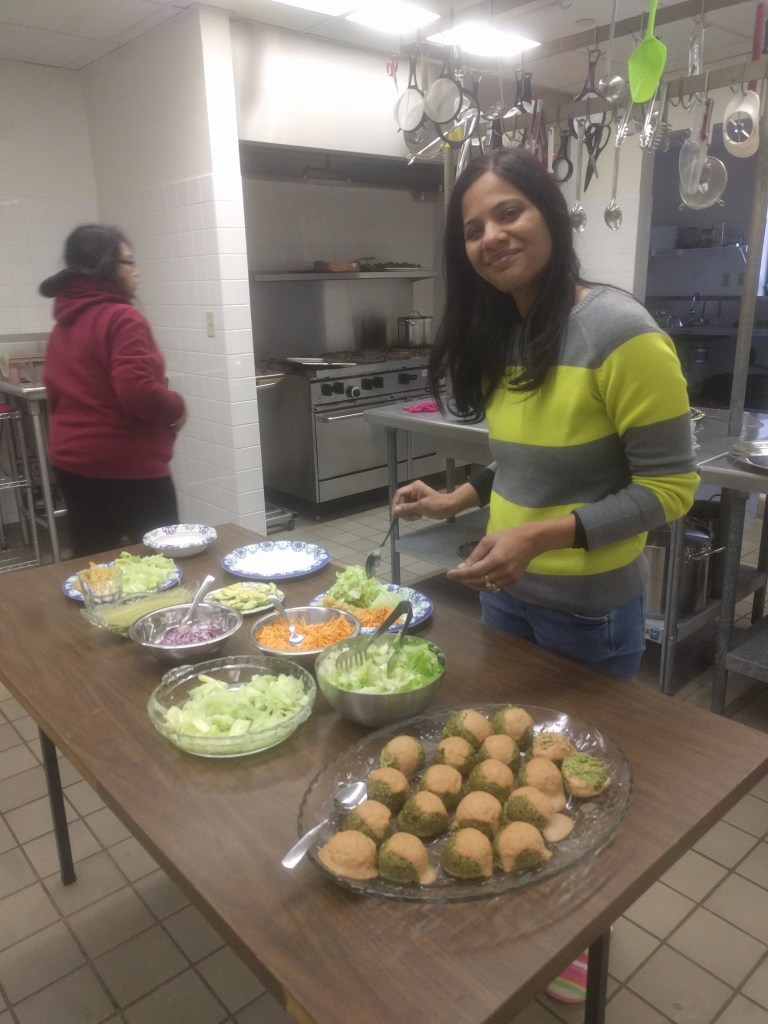

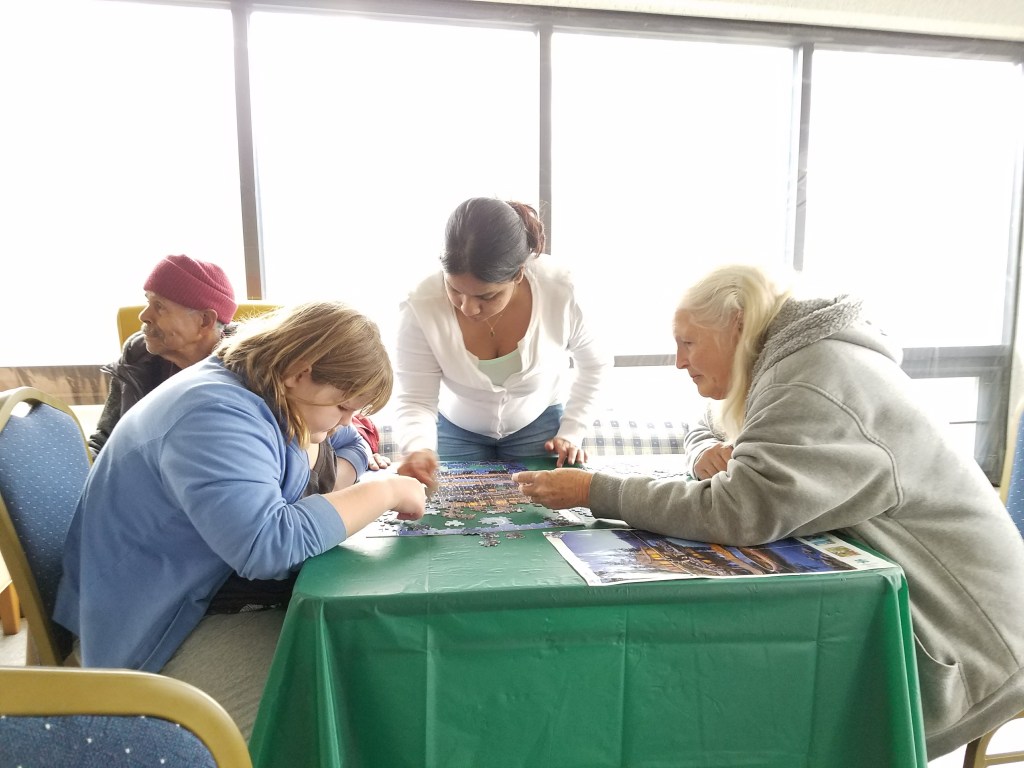
In a strange way, not being able to afford the fancy centres in Mexico became a blessing. Health is personal work; no one else can exercise, fast, or change habits for you. Daily juicing and salad prep are demanding—too much to outsource to family forever—but the effort itself becomes part of the healing. Most of us are willing to pop pills or book procedures, yet resist regulating our sleep, trying a fast, eating mindfully, or even breathing properly. When we finally do move toward natural healing, we often want it pre‑packaged and convenient, which simply doesn’t hold in the long run.
Days at the centre started at 5:30 a.m. with an hour of exercise, followed by water, individual protocols (oils, herbs, etc.), and several hours of health workshops—from physiotherapy to emotional wellbeing—before meal prep began. There were only two meals a day, at 9 a.m. and 3 p.m., with nothing in between, so everyone shared the same eating window. Because I had already practiced fasting and restricted eating at home while cooking for a family that ate normally, following this schedule at the centre actually felt easier; there were fewer triggers and temptations, and it really highlighted how much of this journey is a mind game.
Their philosophy around fasting was rooted in autophagy: after roughly 48–72 hours (depending on your earlier diet), the body begins an internal “self‑cleaning” process where damaged cells and components are broken down and recycled for repair. It sounds harsh—“self‑devouring”—but it’s like hitting a reset button for the body, supporting detox, resilience, and adaptation to stress. After inducing autophagy through fasting and specific detox methods, they moved people onto a corrective diet for at least three months to a year, tailored to their condition.
They also used a combination of tools to assess the body: Tanita scales to check body composition and metabolic age, QMRA scans to suggest possible nutritional deficiencies and imbalances, and live/dry blood analysis to look for signs of issues like toxicity, inflammation, circulation problems, and immune stress. For someone like me, without a medical background and in the middle of a health crisis, this felt helpful and motivating; for Nidhi, with her pharma and research lens, many of these methods raised questions. Underneath her skepticism, though, was a very real concern that I might rely only on alternative methods and skip proven treatments.
At the centre, I followed the 9–3 eating window for four days and then did another three‑day water fast for liver detox. By the end of that fast, I was literally counting hours to 9 a.m., and that first bowl of raw vegetables tasted like a Michelin‑star meal. In total, I stayed raw vegan with intermittent fasting for about a month, right up until my mastectomy.
Those days taught me far more than nutrition. Seven days of water fasting had already shown me what it means to go to bed truly hungry—and how casually we waste food when we have plenty. Knowing that hundreds of millions of people live with chronic hunger made it hard, almost painful, to see food thrown into bins. Growing up in a big Indian family, leftovers always had a place; here, I had to change my own cooking habits—making only what I knew would be eaten, and being willing to cook again rather than over‑cook and waste. Just because we have easy access to food doesn’t mean we have the right to waste it.
The experience also shifted how I saw beauty and self‑care. Before cancer, I was like many women, chasing cosmetic fixes—peels, creams, anything that promised better skin and, secretly, a better life. Now it’s clearer that feeling good is an inside‑out process. How we feel depends not only on what we eat, but also on the information we consume, the conversations we engage in, the activities we choose, and the thoughts we feed ourselves. There are many conventionally “beautiful” people who feel miserable, and many average‑looking people whose contentment lights up a room.
In the end, Life Wellness wasn’t just a new diet; it was the start of a new lifestyle that, even when I drift, I keep coming back to. I truly believe that following intermittent fasting, eating mostly clean, and supporting my body this way helped me avoid some common side effects of surgery, chemo, and hormone treatment—like severe weight gain, lymphedema, or intense hot flashes. And more than any test or protocol, it gave me something priceless: a sense of agency in my own healing, and a deeper respect for the quiet, everyday choices that shape our health. You can reach Ramon here: https://www.lifelinewellnessinstitute.org/
Continue Reading: Chemo and how I dealt with it
 Beyond Limits: Finding Myself Through Cancer, H4 and Career